Ghost Enemy Guide
Treat Ghost as a roaming pressure enemy: keep moving, preserve sanity, and avoid chasing it.
Quick Response
Keep distance, call out its position, and avoid letting it interrupt critical patient checks. Do not waste bullets unless a live-game prompt specifically says otherwise.
Do not shoot unless the live game gives a specific prompt.
Ghost Survival Table
| Field | Confirmed details |
|---|---|
| Threat | Medium |
| Category | roaming |
| Location | Hospital routes and rooms during active shifts. |
| Counter | Distance, callouts, and calm repositioning. |
| Shoot? | No. Use the listed counter instead. |
| Mistake to avoid | Do not chase the Ghost just because it is visible. |
Appearance
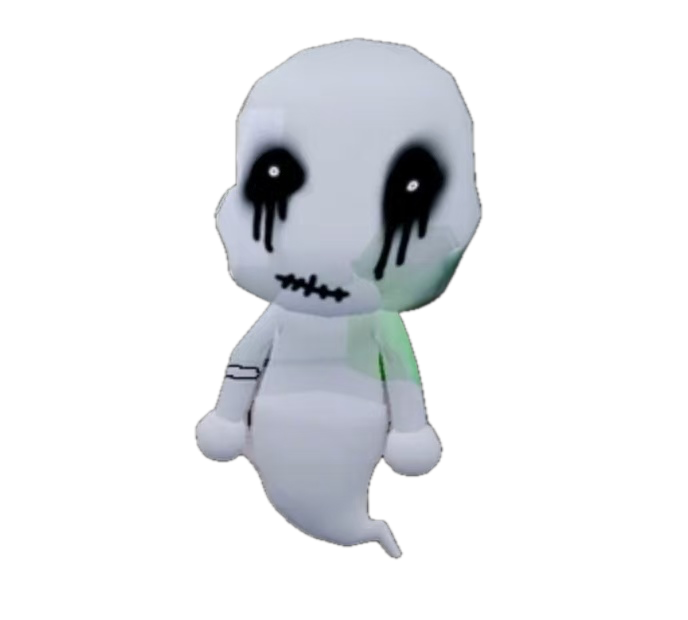
A ghostly hospital threat with a translucent, unsettling presence.
Behavior
Applies pressure by appearing around the hospital and forcing players to break routine. It is safer to avoid and reposition than to chase.
How to survive Ghost
Keep distance, call out its position, and avoid letting it interrupt critical patient checks. Do not waste bullets unless a live-game prompt specifically says otherwise.
Use a quick callout so the team can route around it without stopping admissions. Check the Items guide for the listed counter, then use the shift guide to prepare before this threat overlaps with the patient queue.
Decision points
The confirmed location for Ghost is Hospital routes and rooms during active shifts.. Treat that location as a routing clue: Do not chase the Ghost just because it is visible. If the encounter is tied to a patient, complete the normal admission checks before choosing a response; the anomaly checklist explains the distinction between a patient anomaly and an enemy encounter.
The listed counter is Distance, callouts, and calm repositioning.. Do not assume the Gun is the default answer; follow the counter and keep the team route open.
A pressure enemy rather than a combat enemy
The Ghost applies pressure by appearing around the hospital and forcing players to break routine. It is safer to avoid and reposition than to chase, which makes it the enemy most likely to beat a team that reacts to it rather than routing around it.
Nothing about the encounter is a fight. The recorded counter is distance, callouts and calm repositioning, and the mistake to avoid is chasing it simply because it is visible. Visibility is the bait, not the opportunity.
Why chasing is the trap
The Ghost’s effect is measured in interrupted shifts rather than in damage. A team that breaks off admissions to pursue it loses more to the disruption than the Ghost itself ever causes, which is why the recorded guidance is to avoid letting it interrupt critical patient checks.
The same logic applies to ammunition. The recorded advice is not to waste bullets unless a live-game prompt specifically says otherwise, so the correct default is to treat the Ghost as a routing problem.
The one-line callout
The recorded team advice is a quick callout so the team can route around it without stopping admissions. That is a deliberately minimal response, and the brevity is the point: a callout that triggers a discussion about the Ghost has already cost more than it saved.
The practical habit is to treat the Ghost as terrain. Note where it is, move your route, and keep working.
Response order for Ghost
- Keep distance rather than closing on it when it appears.
- Send a quick positional callout so the team can route around it.
- Do not chase it, even when it is clearly visible.
- Do not let it interrupt critical patient checks — treat the interruption as the actual threat.
- Avoid spending bullets unless a live-game prompt specifically directs otherwise.
Ghost FAQ
Should I chase the Ghost?
No. The recorded mistake is chasing it simply because it is visible, and the guidance is that it is safer to avoid and reposition. Visibility is what draws players into the disruption.
Can I shoot the Ghost?
It is not listed as shootable, and the recorded advice is not to waste bullets unless a live-game prompt specifically says otherwise. Treat it as a routing problem by default.
What is the actual danger of the Ghost?
Interrupted routines. It applies pressure by forcing players to break routine, so the real cost is a disrupted shift rather than direct damage. That is why the guidance is to avoid letting it interrupt critical patient checks.
How should the team respond?
With a quick callout so the team can route around it without stopping admissions. Keeping the response brief is deliberate — a callout that turns into a discussion has already cost more than the Ghost did.
Related Guides
All Enemies
Compare confirmed threats and their listed responses.
Items & Shop
Choose the tools that match this threat and the next shift.
Class Guide
Compare class utility for checking, treatment, and defense.
Shift Progression
See when different threat pressure enters the run.
Emergency Solver
Follow event routes when a threat interrupts patient work.